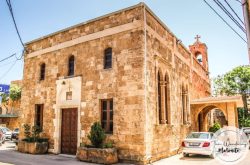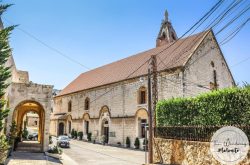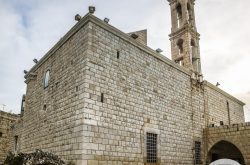

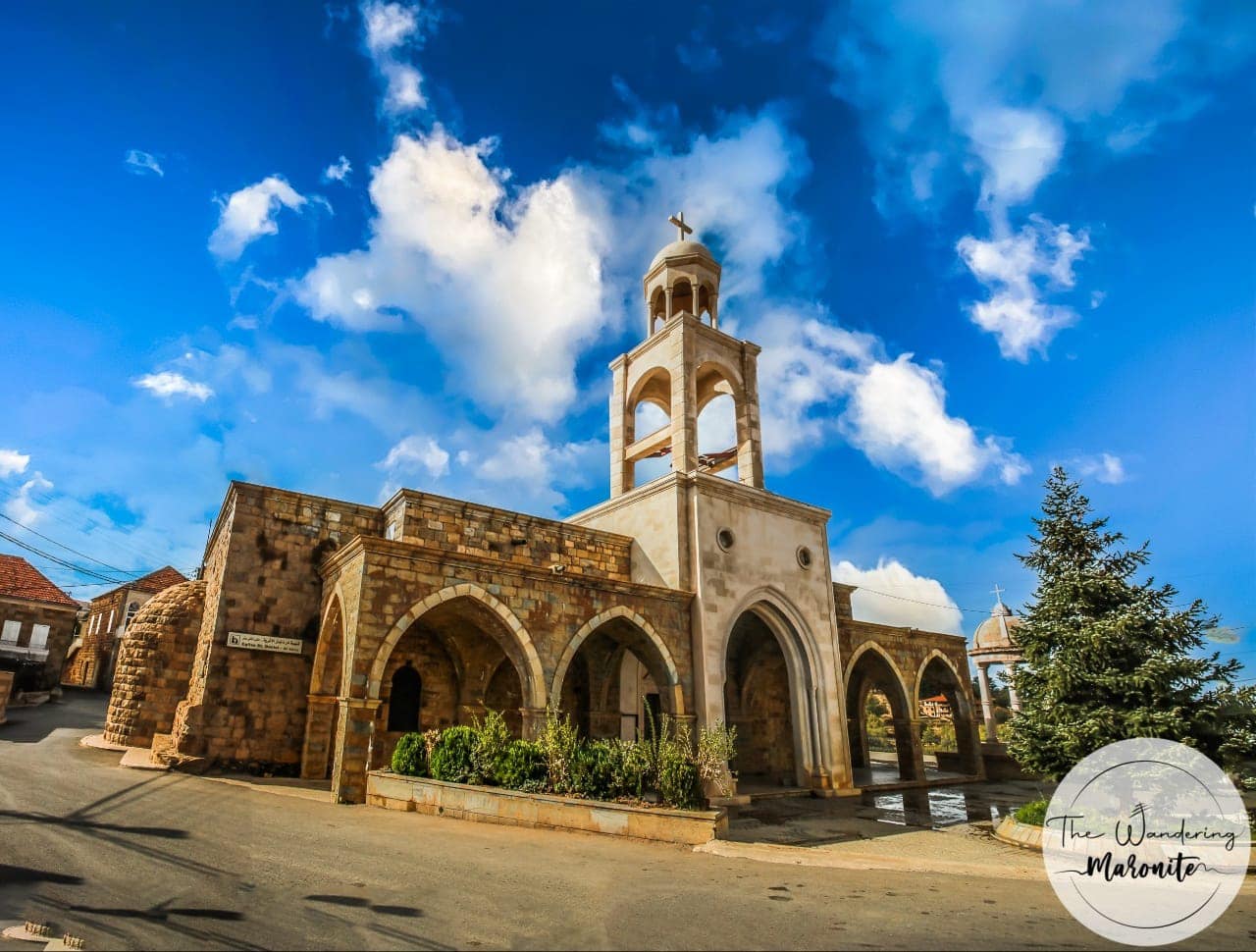
Hadath el Jubba – The church of St Daniel

St. Daniel - Church, Hadath El Jebbeh, Lebanon

Other Details

كنيسة مار دانيال

Hadath Ej-Jebbeh

Bcharre

North

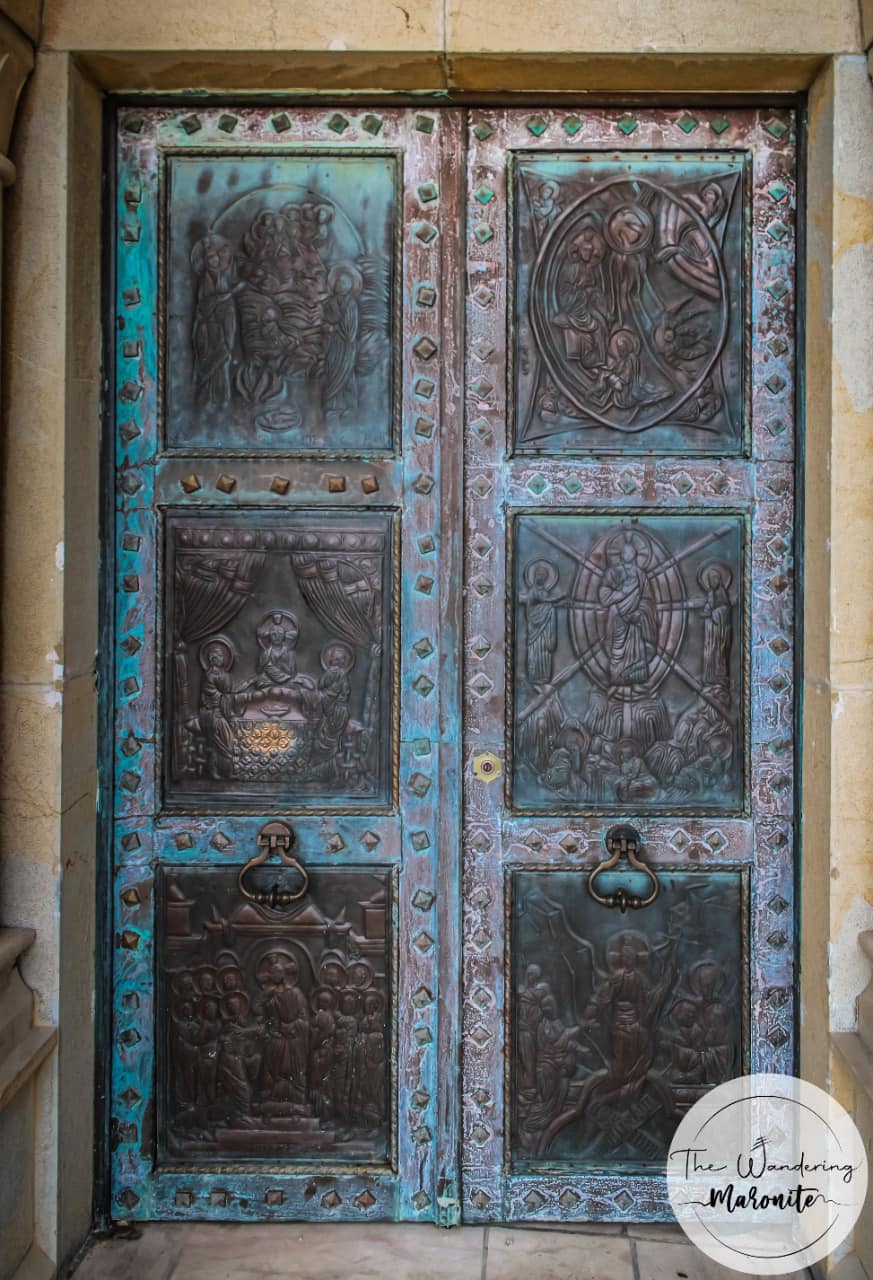
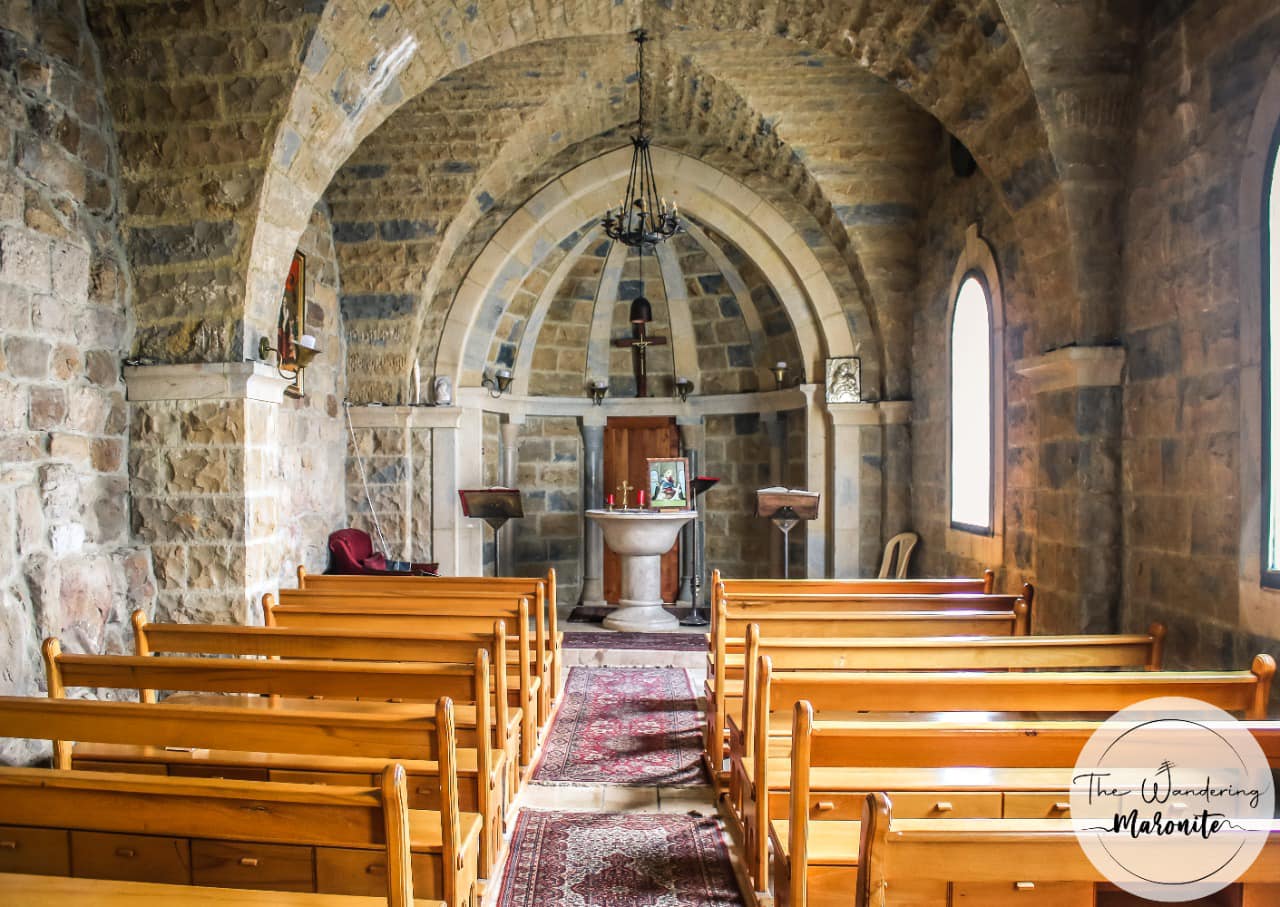
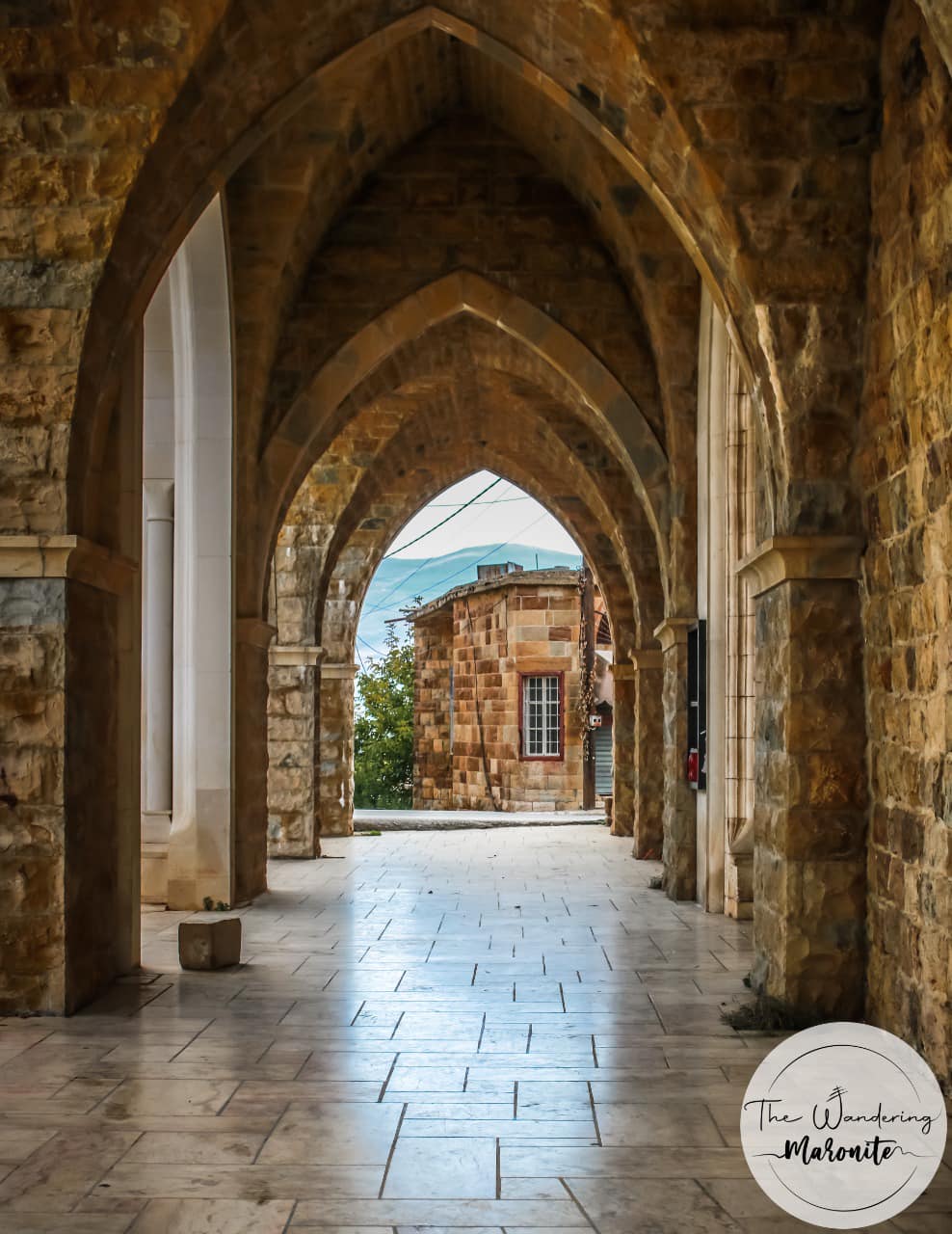
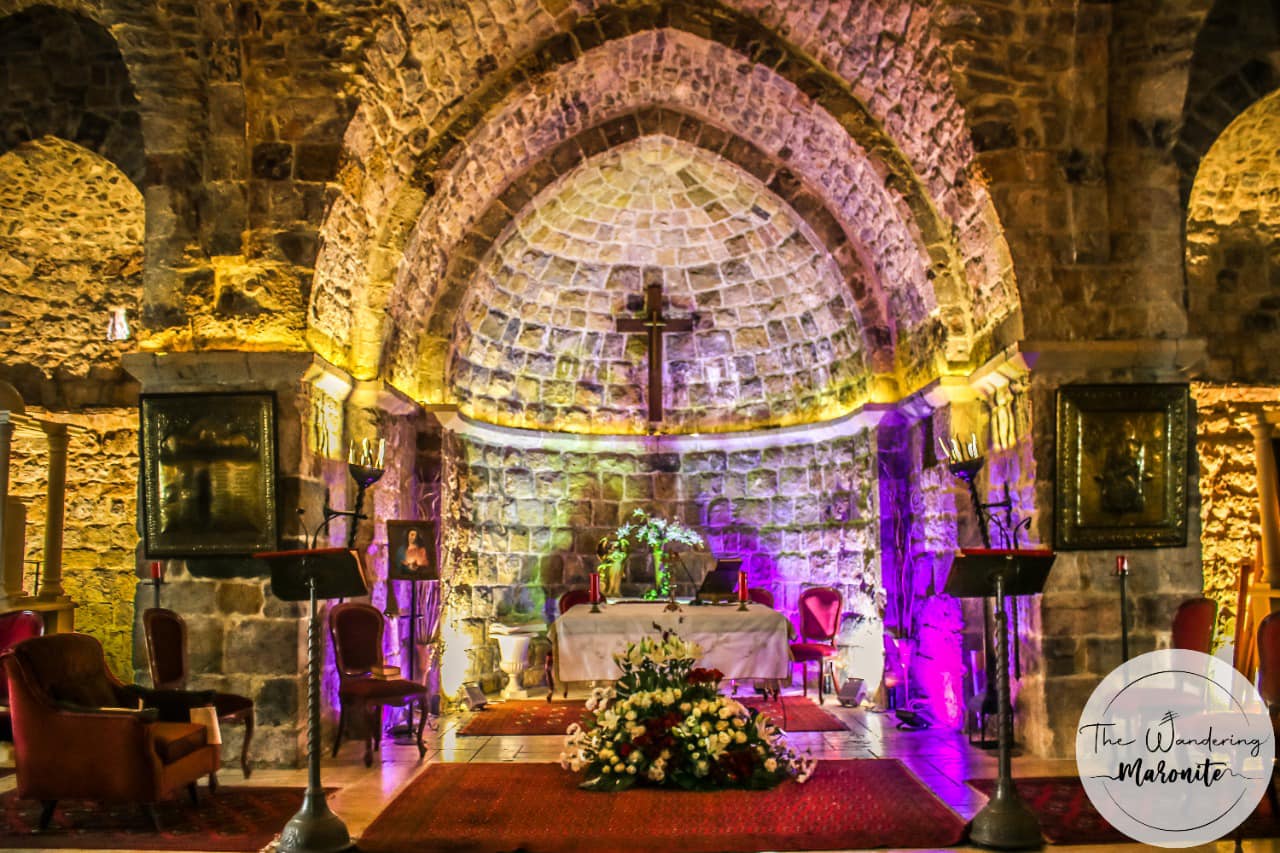
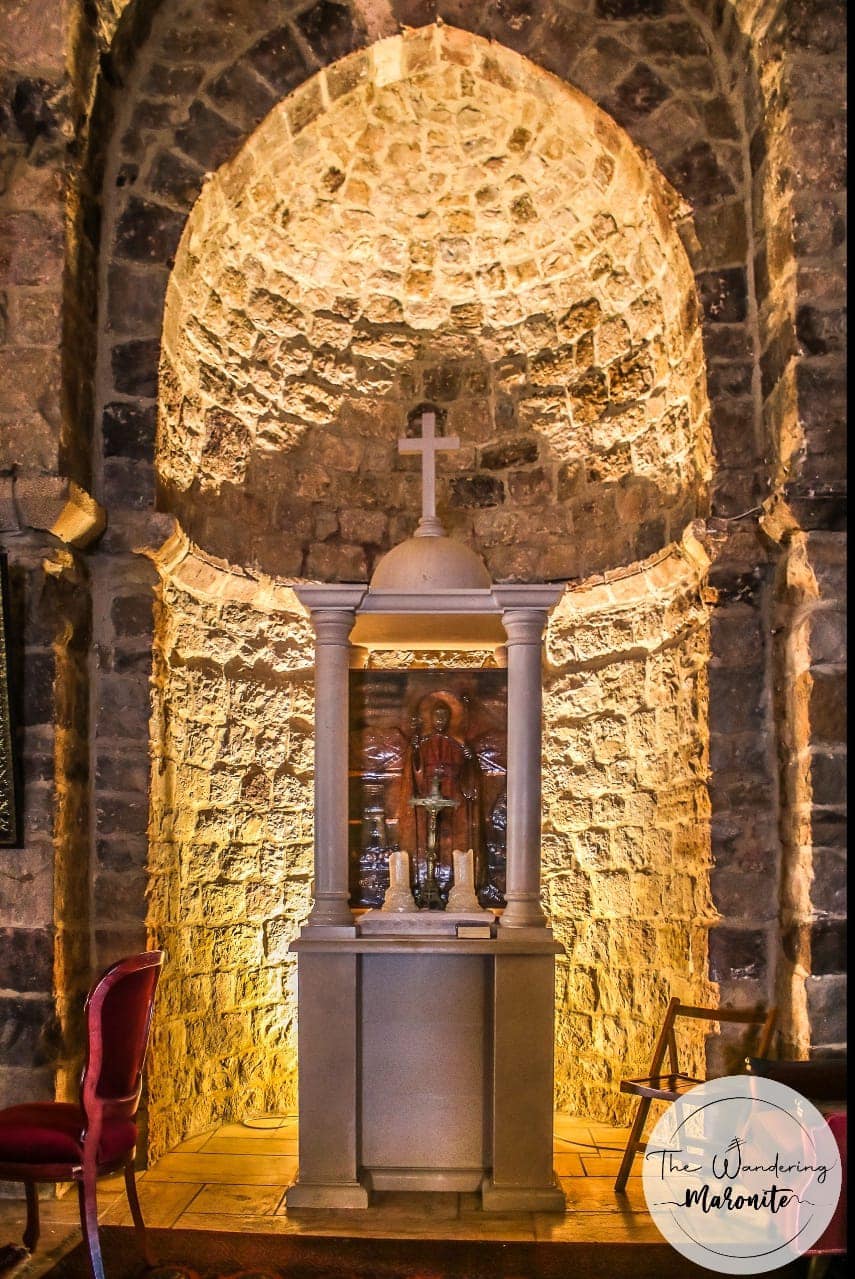
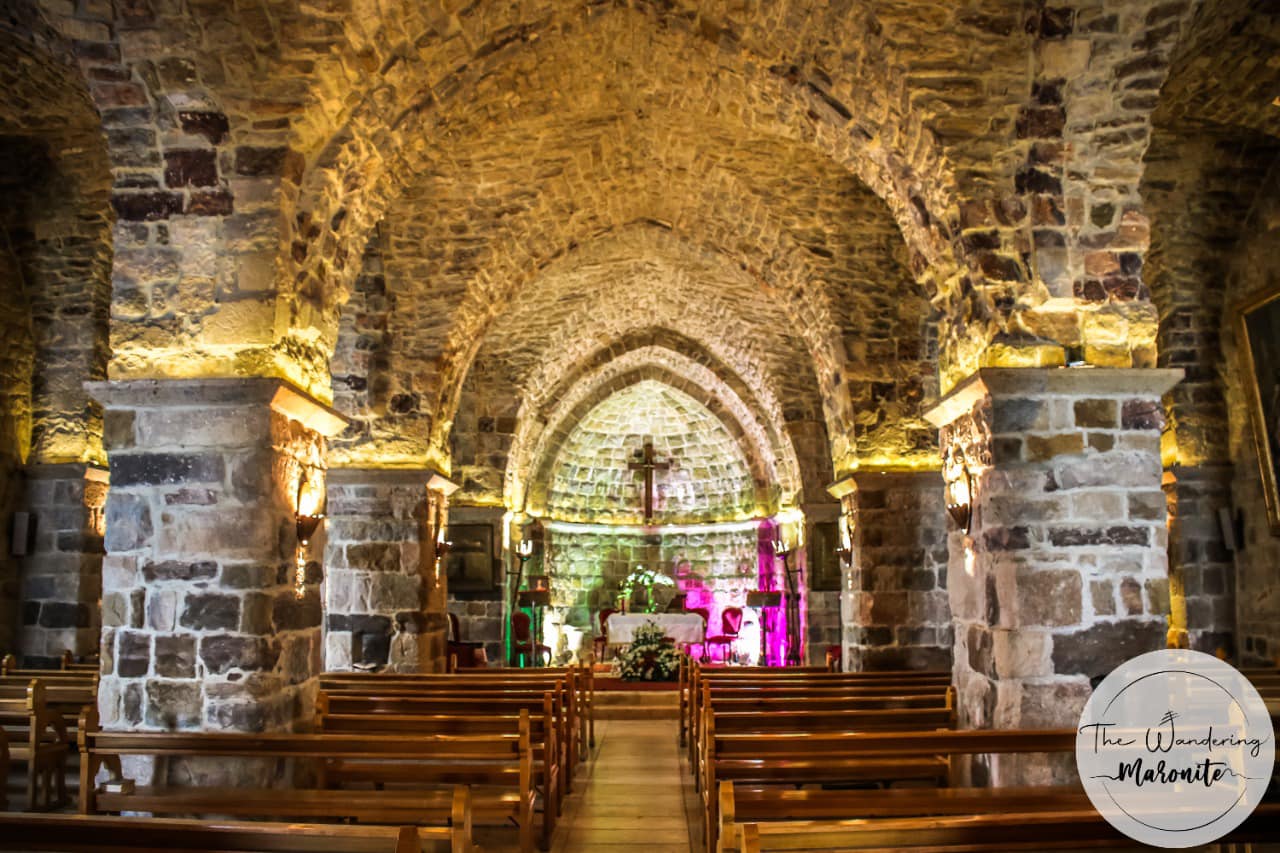
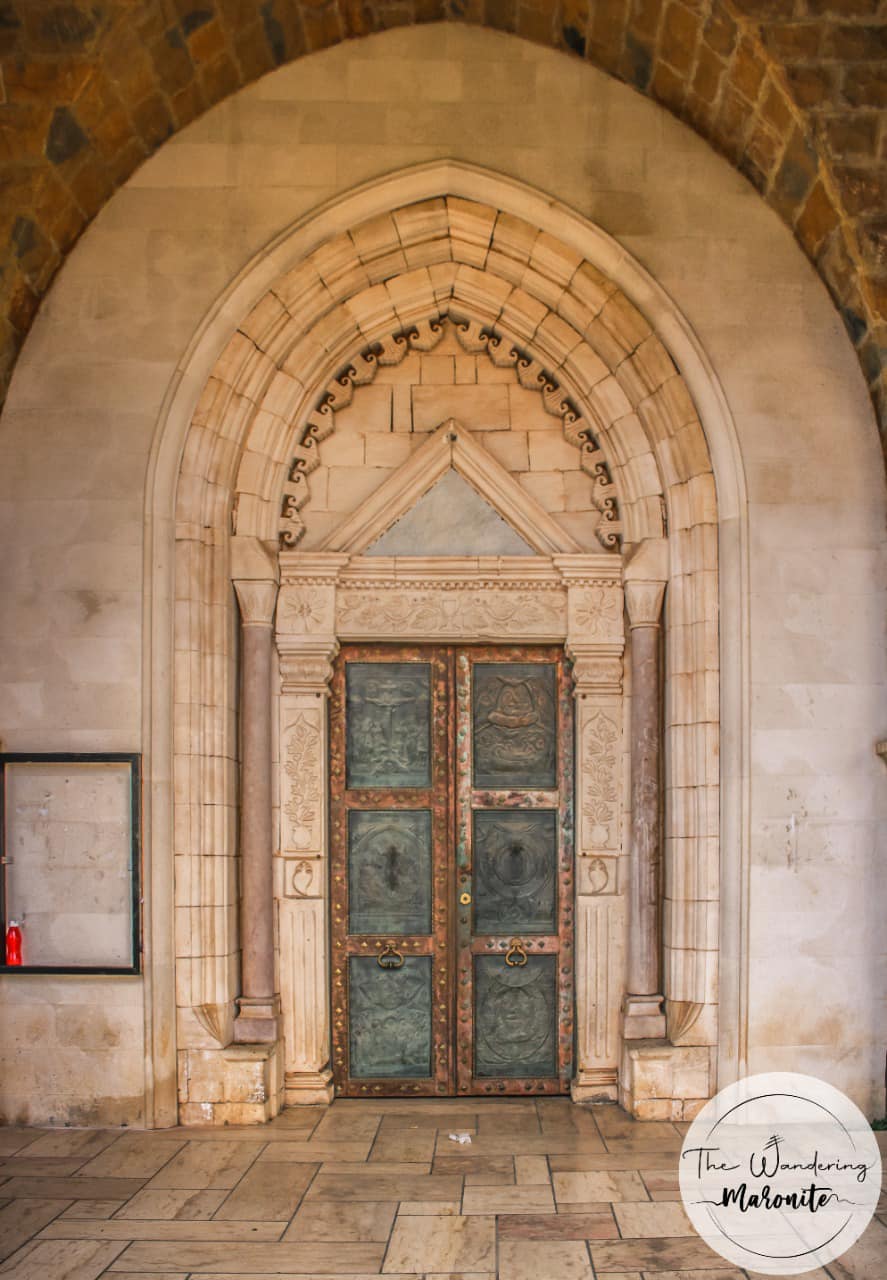
كنيسة مار دانيال - حدث الجبّةبعد تحوّلهم الى المسيحيّة حوّل أهالي الحدث معبدهم إلى كنيسةٍ على اسم مار الياس، ما زالت قائمة في القسم الجنوبيّ. سنة ١١١٠ باشرت بناء كنيسة مار دانيال صالومي إبنة الخوري باسيل من بشرّي. تعرّض البناء للخراب على يد المماليك سنة ١٢٨٣. وأخذ البناء شكله الحاليّ في زمن حبريّة البطريرك شمعون الحدثيّ. رُمّم البناء أواخر القرن العشرين. الكنيسة بازيليكيّة الطراز بعقد مصالب وثلاث حنايا مع رواق خارجيّ معقود. تحوي الكنيسة ثلاث لوحات لداوود القرم تعود للقرن التاسع عشر.The church of St Daniel - Hadath el JubbaAfter the conversion of the people of Hadath el Jubba, they converted an old pagan shrine to a church dedicated to St Elijah the prophet. In 1110 Salome the daughter of the priest Basil of Bsharre began building a new church dedicated to Daniel the prophet. The church was destroyed by the Mamluks in 1283. It then took its final shape during the pontificate of Patriarch Chamoun el Hadathy, and was renovated in the late XXth century. The church consists of a basilical plan with three naves with arched vaults and three apses, with an external ambulatory. It holds three paintings by Dawoud el Qor

Visited 7294 times, 1 Visit today

Reviews are disabled, but trackbacks and pingbacks are open.

Related Listings

Amshit – The church of Our Lady

Notre dame de amchit - كنيسة السيدة عمشيت, Aamchit, Lebanon

كنيسة السيّدة

Aamchit

Jbeil

Mount Lebanon

كنيسة السيّدة - عمشيت
بُنيت الكنيسة الأولى أواسط القرن العاشر وكان يطلق عليها إسم سيّدة البيدر. سنة ١٧٨٢ بُنيت الكنيسة الحاليّة. سنة ١٩٠٠. أُفيم في الكنيسة بيت القربان الرخاميّ ووضعت لوحة سيّدة الإنتقال. سنة ١٩٥٨ رمّمت الكنيسة ووُسّعت آخذة شكلها الحاليّ بعدما أُزيلت من داخلها الشواهد والقبور. رُمّمت الكنيسة أواخر القرن العشرين وهي كناية عن عقد مُصالب ينتهي بحنية.

The church of Our Lady - Amshit
The first church was built in the middle of the Xth century and was known by our Lady of the field. In 1782 the current church was built. In 1900 the marble tabernacle and the painting of the Assumption were brought. In 1958 the church was restored and all of the tombs and the shrines where removed. The church was renewed in the latter part of the XXth century. The structure consists of a crossed vault ending with an apse.

Behdaydat – Chapels Saydet el Bzez & Saint Nicolas

Saydet l bzez - سيدة البزاز, Behdaidat, Lebanon

كابيلّات مار نقولا (مار زخيا) وسيدة البزاز - بحديدات

Behdaydat

Jbeil

Mount Lebanon

كنائس مار نقولا (مار زخيا) و سيّدة البزاز كابيلَّتان مُهدَّمتان متلاصقتان، تعودان للقرن الثاني عشر. رُمِّمتا مؤخرًّ, واحتفلت رعيّة مار تيودوروس بحديدات بتبريك واعلان انتهاء اعمال الترميم في عام ٢٠١٩. لوحة مار نقولا في كنيسة الرعيّة تعود للقرن التاسع عشر وهي من عمل الرسّام البولوني بول شلافاك.

The chapels of St Nicholas (Zakhya) and our Lady of milk, are two adjacent medieval ruins of chapels dating back to the twelfth century. They were restored lately and reconsecrated in 2019. The painting of St Nicholas dates back to the ninetieth century and is the work of the polish painter Paul Shlavak

Bqorqasha – St Simon the stylite hermitage

Monastery of St. Simon, Bqerqacha, Lebanon

محبسة مار سمعان العاموديّ

Bqerqacha

Bcharre

North

محبسة مار سمعان العاموديّ - بقرقاشا

هذه المحبسة المبنيّة في حرف شيرٍ صخريّ، تعود للقرون الوسطى. بحسب البطريرك الدويهيّ بنتها سنة ١١١٢ تقلا إبنة الخوري باسيل البشرّاني على إسم مار جرجس ومار ضوميط، وما برحت وتحوّلت على اسم مار سمعان العاموديّ. يشهد على ذلك كتاب الريش قُريان السريانيّ الخاص بالمحبسة، الذي يعود لسنة ١٢٤٢، وهو محفوظ في جامعة السلامانكا.

St Simon the stylite hermitage - Bqorqasha

The hermitage is built on the slope of a rocky cliff in the holy valley of Qannoubin. It dates back according to patriarch Stephen Al Douwaihy to year 1112 when Thekle the daughter of a priest named Basil of Bsharre built a hermitage dedicated to Sts George and Doumith, that was rededicated to St Simon the stylite. A Syriac lectionary proper to the hermitage, the Rish Qoryan, dating back to 1242, that was discovered and conserved in Salamanca’s university, attests this story.